7 min read
Luxury Streetwear in India: How a Subculture Went Luxe
By Zyvora Brands
Luxury streetwear in India means casual clothing shaped by skate, hip-hop and sportswear, made and priced with the care of a luxury house, and it has outgrown its niche. Indian shoppers who grew up with sneaker culture, music and social media can now choose from homegrown labels as well as international arrivals.
This piece traces how streetwear travelled from the margins to the luxury shelf, how it took hold in India, and what separates luxury streetwear from the wider category.
From the margins to the runway
Streetwear began as the everyday clothing of particular communities, and the catwalk came much later. Skateboarders needed hard-wearing trousers and tees. Hip-hop artists and fans made oversized fits, sportswear and workwear their own. Limited releases, known as drops, gave small labels a loyal following long before the large fashion houses paid attention.
The turn towards luxury is usually dated to the middle of the last decade. In 2017, Louis Vuitton showed a collection made with the New York skate brand Supreme, seventeen years after the French house had sent Supreme a cease-and-desist letter over skate decks that borrowed its monogram (Highsnobiety). In 2018, Louis Vuitton made Virgil Abloh, who had worked alongside Kanye West before founding Off-White, the artistic director of its menswear. The critic Robin Givhan, in an interview with NPR, described what made him unusual: most companies build a brand around a garment, whereas Abloh "created a brand and then he proceeded to put products underneath the brand."
Commentators differ on how lasting the effects were. Some argued, within a year of Abloh's death in 2021, that the hype around drops was already fading (NSS Magazine). Fewer would dispute that the design language of the street is now a permanent part of luxury fashion.
What defines luxury streetwear
There is no formal definition, but a few traits recur.
- The best examples draw on a real subculture, such as skate, music or workwear, instead of borrowing its look as decoration.
- Materials and construction are a step up: heavier cottons, careful tailoring on casual shapes, and finishing that justifies a higher price.
- The codes are recognisable. A logo, graphic or silhouette is easy to identify and stays consistent over time.
- Availability is controlled through limited runs, seasonal edits and selective distribution, which protect a label's positioning.
- Pieces are sold through official channels, so that a customer knows they are genuine.
No single trait makes a garment luxury. Taken together, they describe clothing meant to be worn every day and kept for years.
The rise of luxury streetwear in India
In India, streetwear has grown through sneakers, music and community first, and through retail later. For many people, the way in was sneakers. On 3 September 2022, Mumbai hosted the Indian Sneaker Convention, which its organisers billed as the country's first and biggest (Homegrown). It had a wall of about 3,000 pairs, stalls from homegrown streetwear labels including Almost Gods, Capsul, Farak and Frostbite, and performances by artists such as Hanumankind. Events like this gave a scattered community a place to meet, trade and buy.
Homegrown labels have matured alongside. In March 2026, Business Standard reported that Indian sneaker brands such as ARKS, Comet and Gully Labs are competing with global names by combining India-first design with premium positioning. Industry figures quoted in the piece put India's sneaker market at around US$4 billion, a small share of a global industry of close to US$100 billion (Business Standard). The same report credits Gen Z, rising disposable incomes and digital discovery for the shift.
Luxury spending is also rising. Euromonitor International put India's luxury market at about US$12.1 billion in 2025, after growth of around 10 per cent (Business Today). That figure includes cars, travel and dining as well as personal goods, so it says nothing about streetwear on its own. It does describe the customer the category is chasing: younger, affluent and familiar with global brands.
For international labels, the harder part is access. Customers can follow a brand abroad on social media for years before it is properly available at home. Authorised distribution, local pricing and after-sales service close that gap. For the commercial side, our guide on how international fashion brands enter India walks through the routes, and our overview of luxury brands in India covers the wider market.
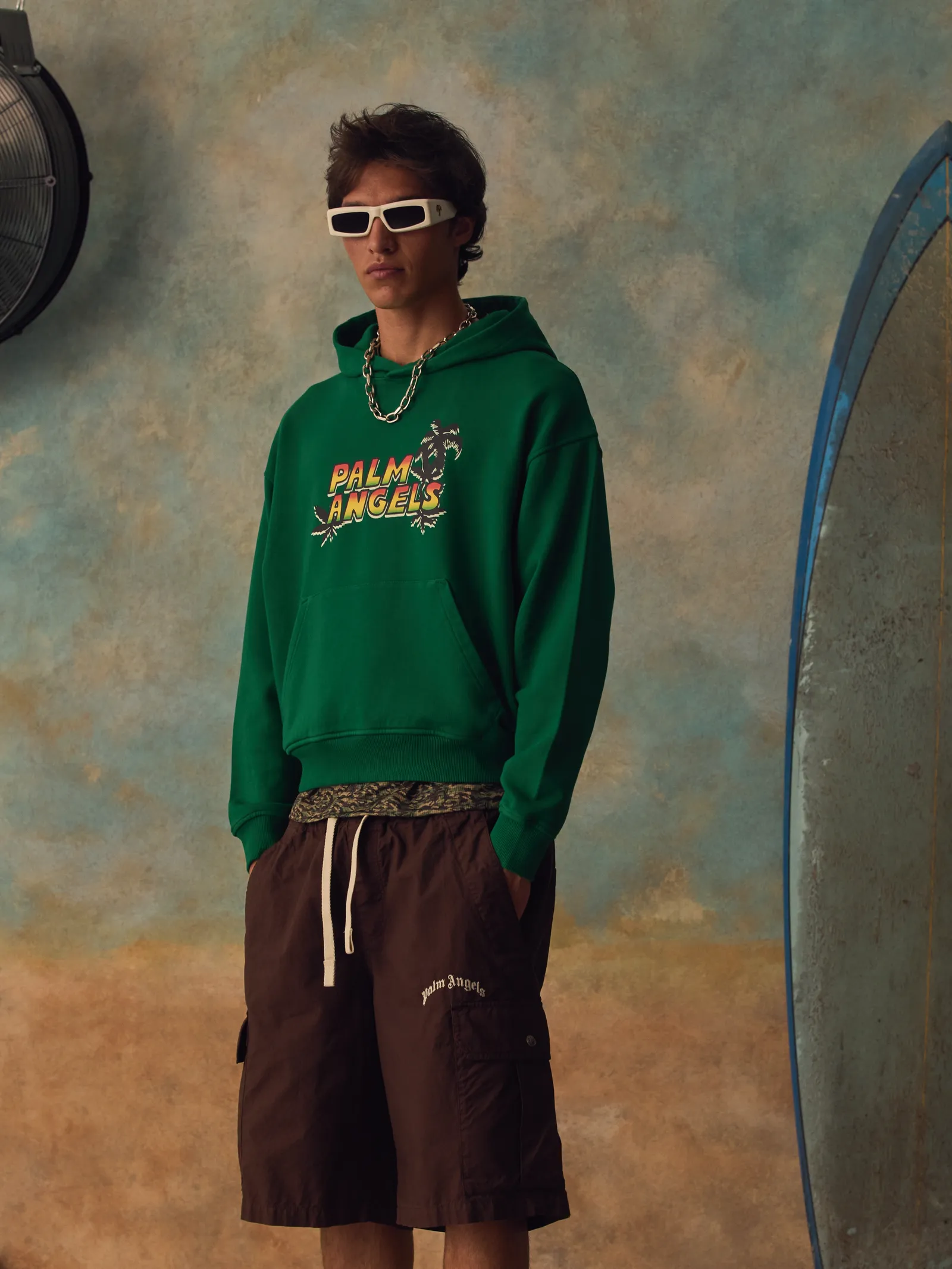
Palm Angels: skate photography to fashion label
Francesco Ragazzi, who built his career at Moncler and rose to artistic director there, photographed skateboarders at Venice Beach in Los Angeles. In 2014 Rizzoli published the black-and-white images as a book, with a foreword by Pharrell Williams. A year later, that imagery became the basis of the fashion brand's visual identity. Ragazzi has called the book "the seed of Palm Angels, the fashion brand", as Numéro reported.
That origin explains the label's codes: Californian imagery, sportswear shapes and an easy attitude, made with Italian craftsmanship. Palm Angels is distributed in India by Zyvora Brands, and the current collection is available at the official store, palmangels.co.in. You can read more on the Palm Angels brand page, or in our Palm Angels story.
Dickies: workwear adopted by the street
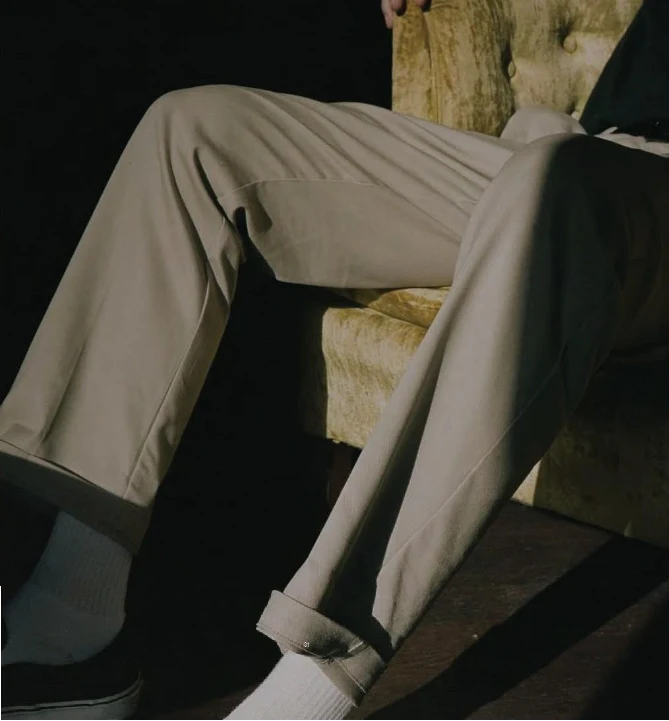
Dickies belongs to a different part of the story, one that begins long before anyone used the word streetwear. The brand dates its workwear to 1922, and its Original 874 Work Pant has been a staple for tradespeople for more than half a century.
The cultural shift came later. In the brand's own telling, rappers were wearing Dickies by the late 1980s, and skaters took to the clothes because they survived a beating on asphalt. By the mid-1990s, West Coast counter-culture had carried the label's streetwear reputation around the world, and it found followings in metal and pop-punk scenes as well. Nobody designed Dickies to be fashionable; communities chose it for how it worked and how it looked.
Dickies is not a luxury label and makes no claim to be one. It belongs in this story because it shows where the codes of streetwear come from: the function came first, and the culture followed. Dickies is arriving in India with Zyvora Brands. See the Dickies brand page for the brand's history, and our guide to the 874 work pant for fit and styling.
Two routes into the same territory
Side by side, the two brands show that streetwear has more than one origin story.
Palm Angels came from image-making. It began as photography and became clothing, so its identity was visual before it was sartorial. Its reference point is a place and a feeling: sunlit Californian skate culture, seen through an Italian eye.
Dickies came from the job site. It was made for people who worked, and its place in street culture came through adoption. Skaters, rappers and musicians picked it up on their own terms, and the brand only gradually understood what it had become.
The two arrive somewhere similar, at clothing that feels casual and carries a point of view, but by different routes and at very different prices. For a customer in India, that range is useful, because the category covers many looks and budgets and has room for both a luxury label and a heritage workwear brand.
Why the timing suits India
The audience is already here. Sneaker meets, resale groups and homegrown labels have built a community that knows what it wants. Shoppers see global releases as they happen, so they expect to be able to buy them. And as more international labels open authorised stores and e-stores, customers can buy in India instead of importing pieces themselves or buying from uncertain sources.
None of this guarantees success for any single brand. Streetwear audiences are quick to notice a label trading on a look without understanding where it came from, and the category stays credible only while labels respect the source.
What this means for shoppers
Luxury streetwear rewards a little curation.
- Start with one strong piece. A jacket, a hoodie or a pair of well-cut trousers will outlast several trend items.
- Buy from authorised sellers. Provenance matters more as prices rise, and official stores and distributors protect you from counterfeits.
- Pair it with simple basics. One considered piece with plain tees and well-fitted denim usually looks better than head-to-toe logos.
- Look after it. Heavier cottons and technical fabrics last longer when washed gently and stored properly.
For a broader view of the category, explore our portfolio of streetwear brands in India.
Which labels will last
Few people now ask whether streetwear belongs in luxury. What remains open is which labels keep their roots intact as they grow. In India, where the audience is young, digitally fluent and increasingly well travelled, our bet is on brands with a clear point of view, an honest story and reliable access.
If you are a brand thinking about India, or a retail partner interested in our portfolio, we would be glad to talk. Get in touch through the contact page.
Frequently asked questions
What is luxury streetwear?
Luxury streetwear takes the codes of street culture, such as skate, hip-hop and sportswear shapes, and applies the materials, construction and pricing of luxury fashion. The shapes stay casual, and the making is careful.
Where did Palm Angels begin?
Palm Angels began as a photography book of black-and-white images of the Los Angeles skate scene by Francesco Ragazzi, published by Rizzoli in 2014. It became a fashion label in 2015.
Is Dickies a luxury brand?
No. Dickies is an American workwear brand, founded in 1922, that was taken up by skate, punk and hip-hop communities. It belongs to the streetwear story through culture rather than price.
Is Palm Angels available in India?
Yes. Palm Angels is distributed in India by Zyvora Brands, and the collection is available through the official store at palmangels.co.in.